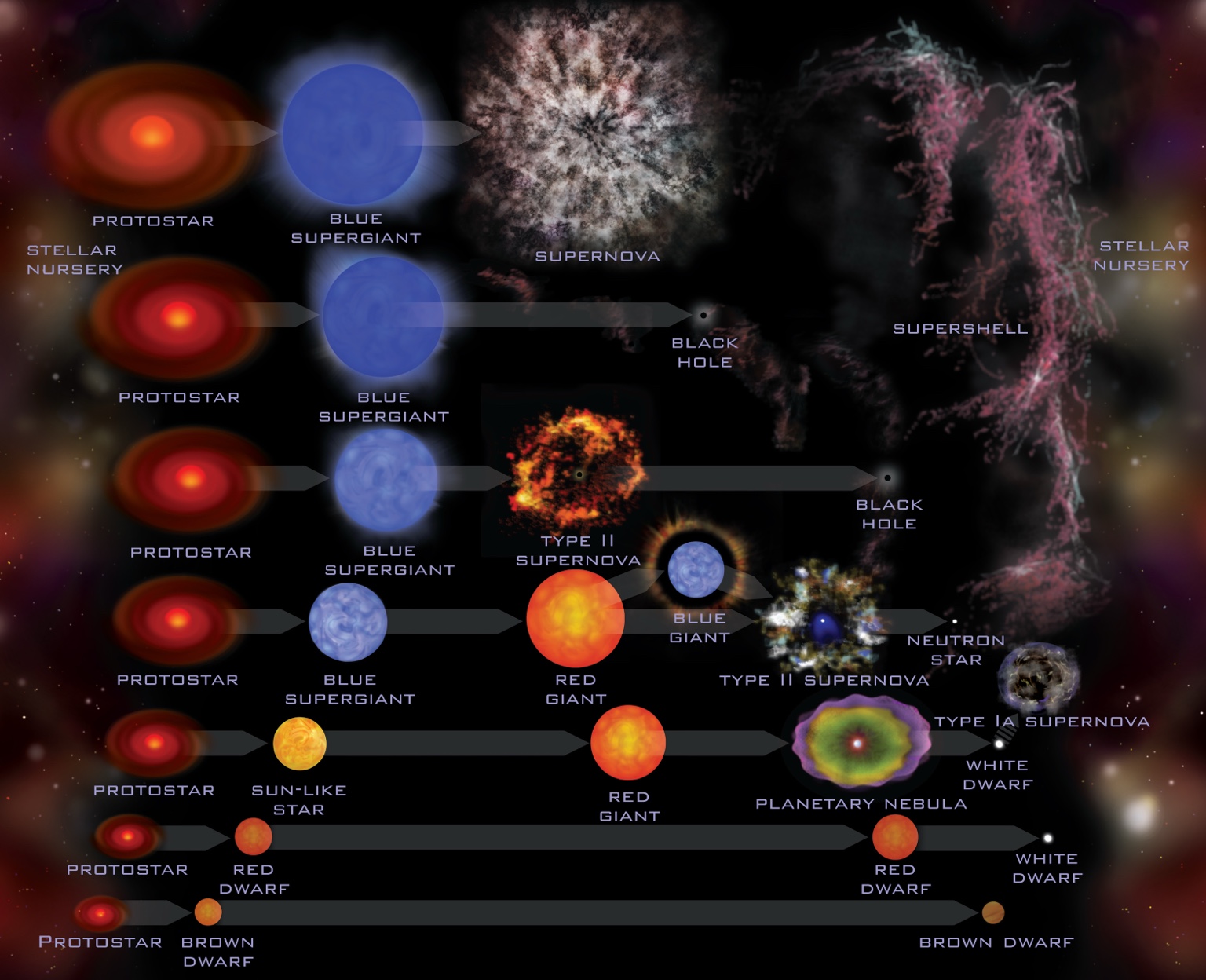
Stellar evolution
Single and binary stellar evolution, structure, mass loss, angular momentum evolution, and evolutionary pathways across different mass regimes.
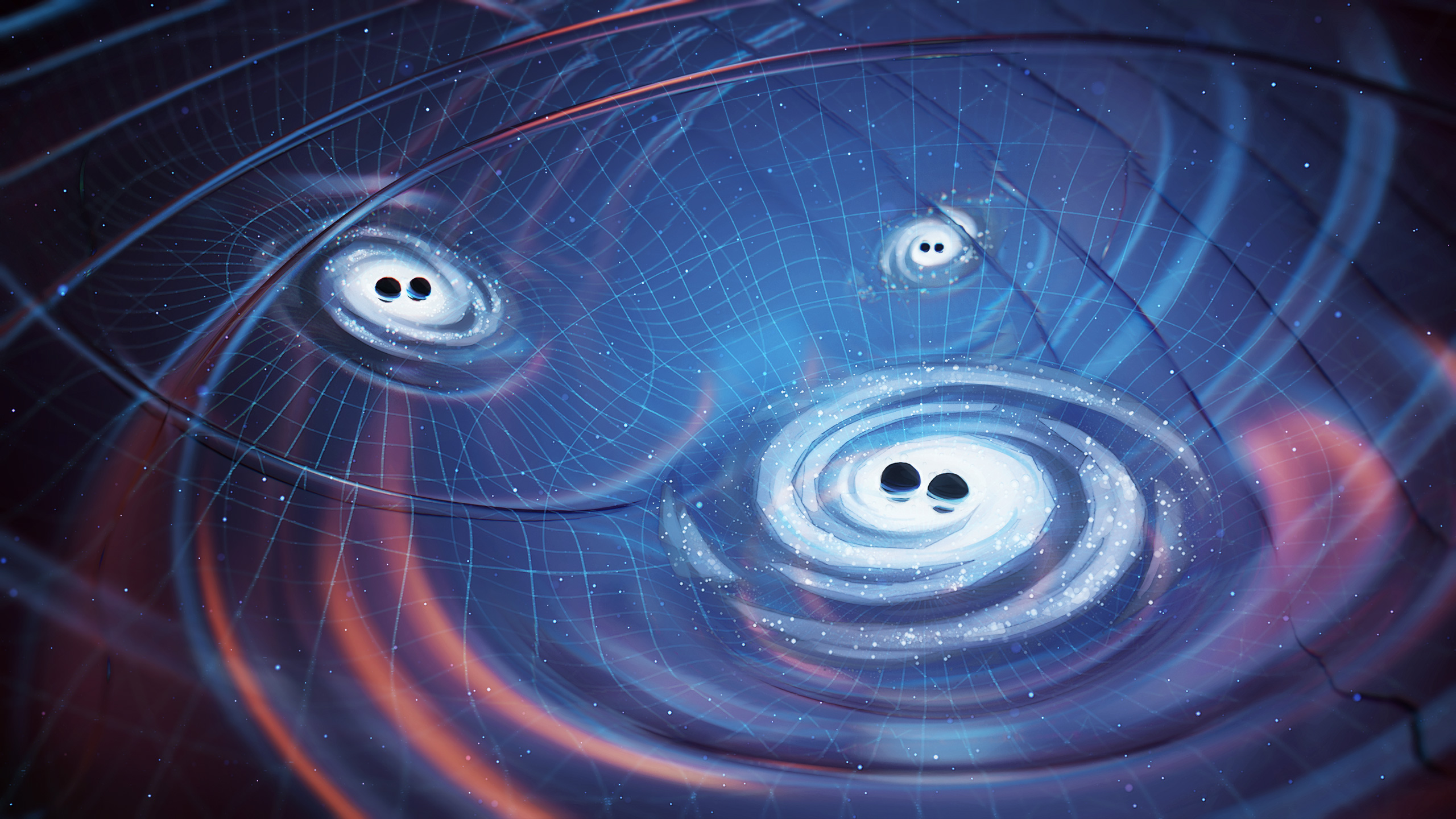
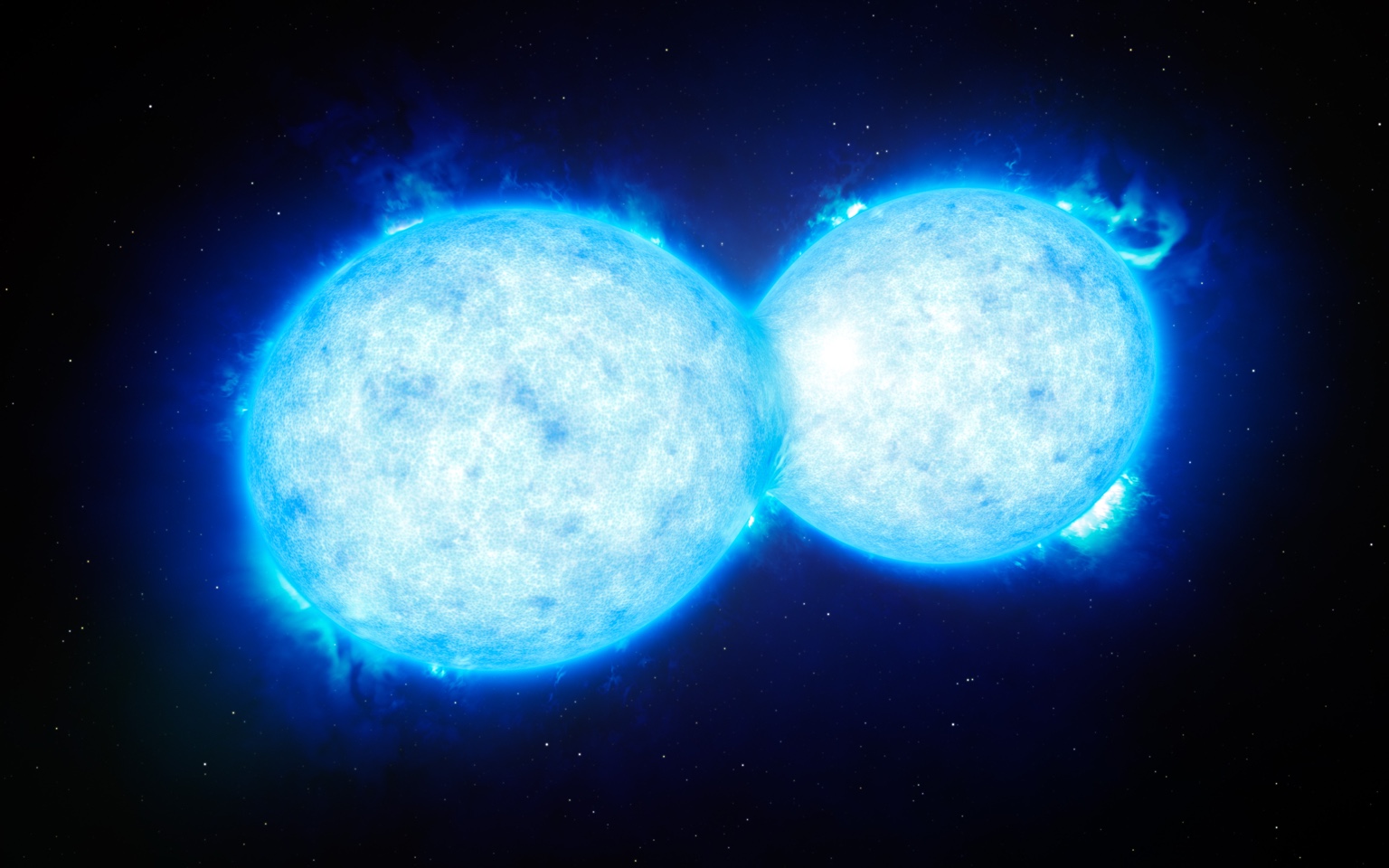
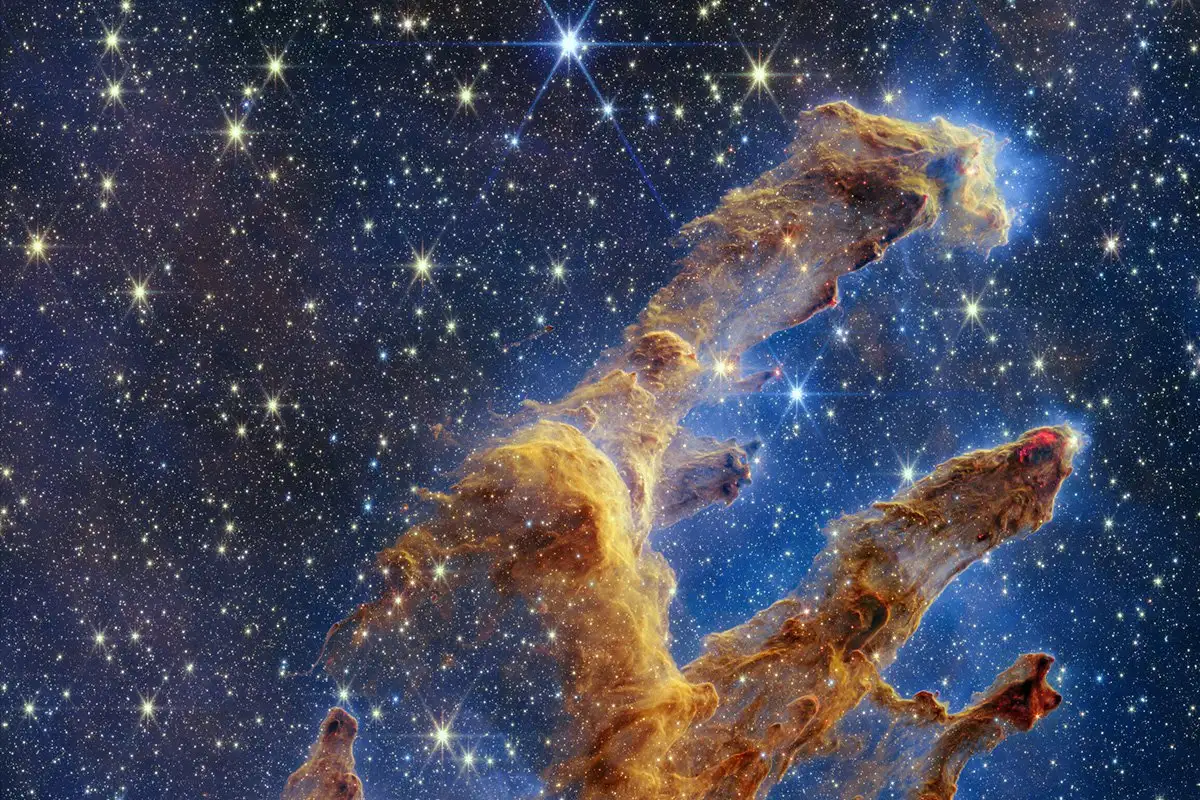
eGRAVITY develops observational, theoretical, and computational astrophysics across binary evolution, X-ray binaries, star clusters, black holes, gravitational waves, and multi-messenger astronomy.
The Ege Gravitational Astrophysics Research Group (eGRAVITY) is designed as a modern, outward-looking research environment that connects stellar astrophysics with gravitational physics, compact objects, and time-domain astronomy.
Our scientific style is interdisciplinary: we combine light curves, radial velocities, spectroscopy, stellar evolution modelling, population studies, numerical simulations, and multi-messenger interpretation to understand how extreme systems form and evolve.
Single and binary stellar evolution, structure, mass loss, angular momentum evolution, and evolutionary pathways across different mass regimes.
Detached, semi-detached, contact, compact, and interacting systems, with emphasis on mass transfer, orbital evolution, and observational constraints.

Black-hole and neutron-star X-ray binaries, irradiation, accretion physics, secular evolution, optical behaviour, and donor-star diagnostics.
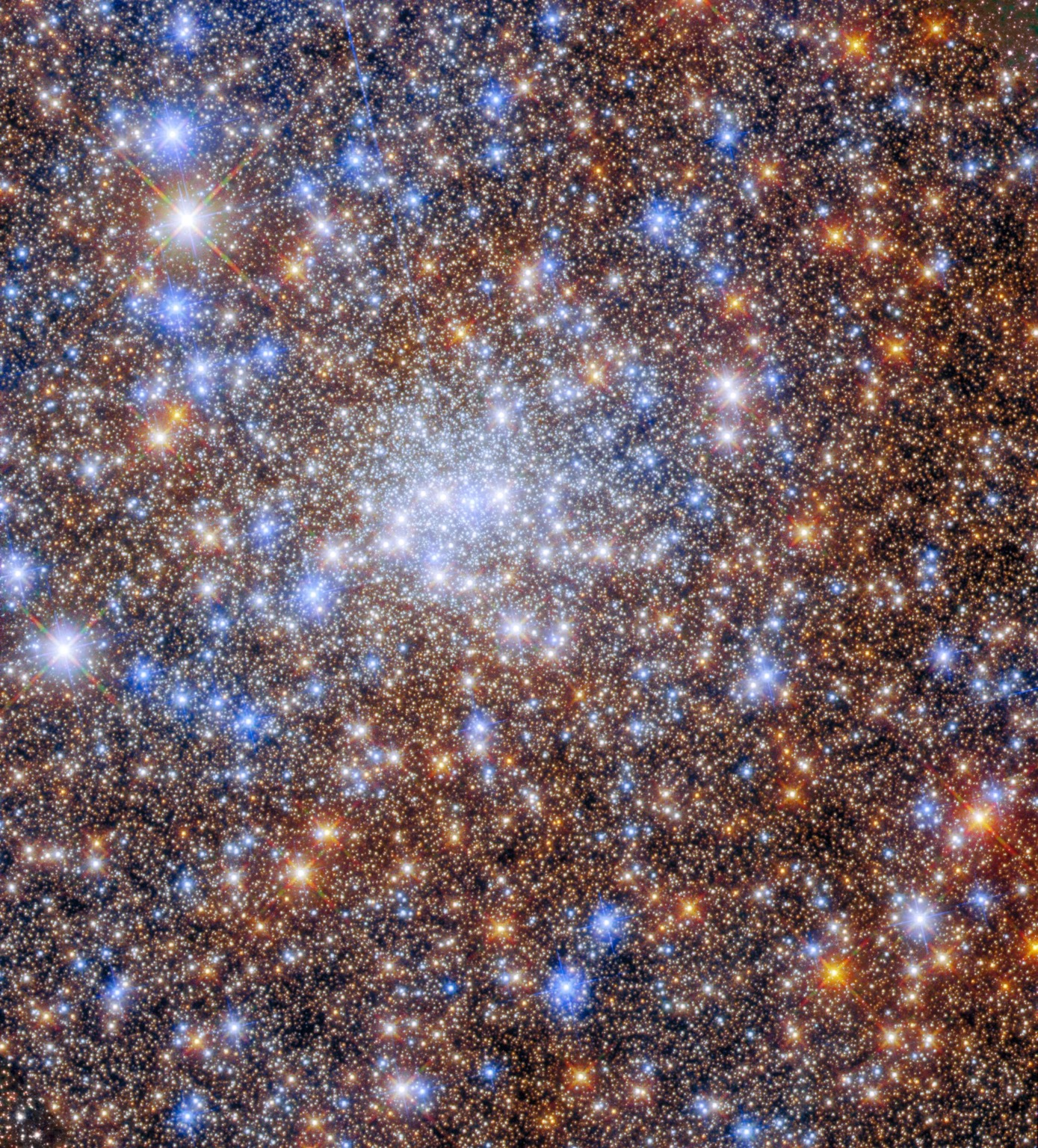
Open and globular clusters, membership analysis, stellar populations, binary content, ages, distances, and cluster-based tests of stellar models.
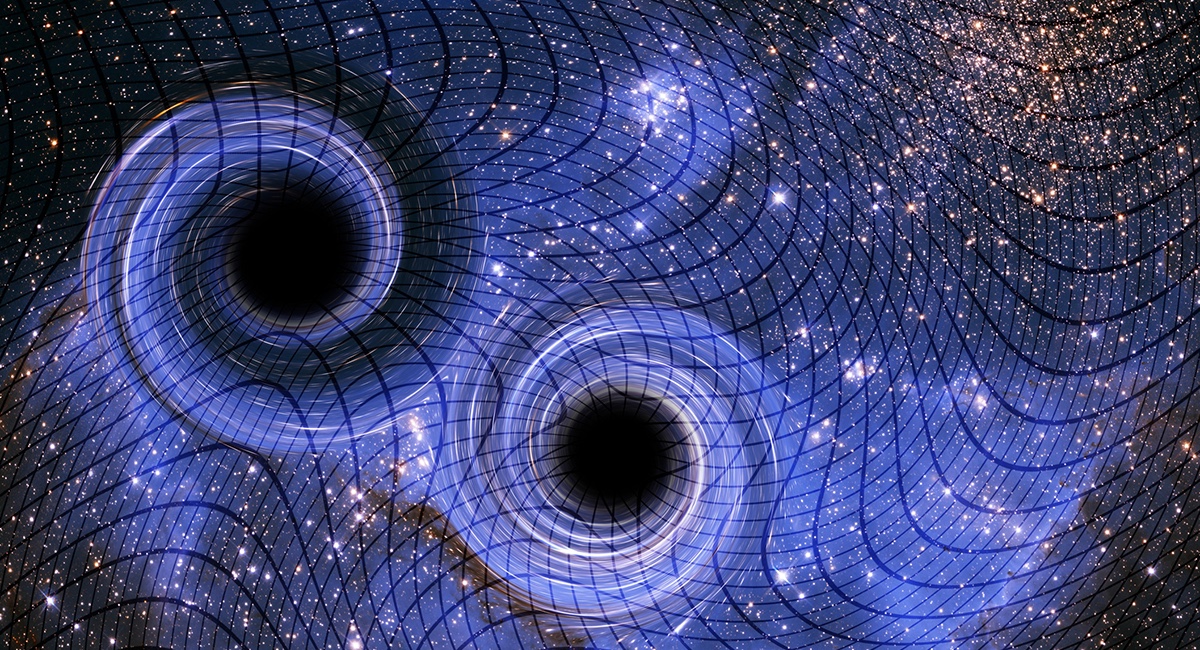
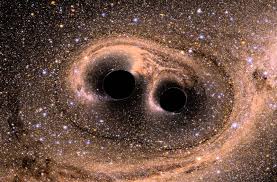
Formation channels of compact binaries, gravitational-wave sources, merger physics, relativistic astrophysics, and compact-object demographics.
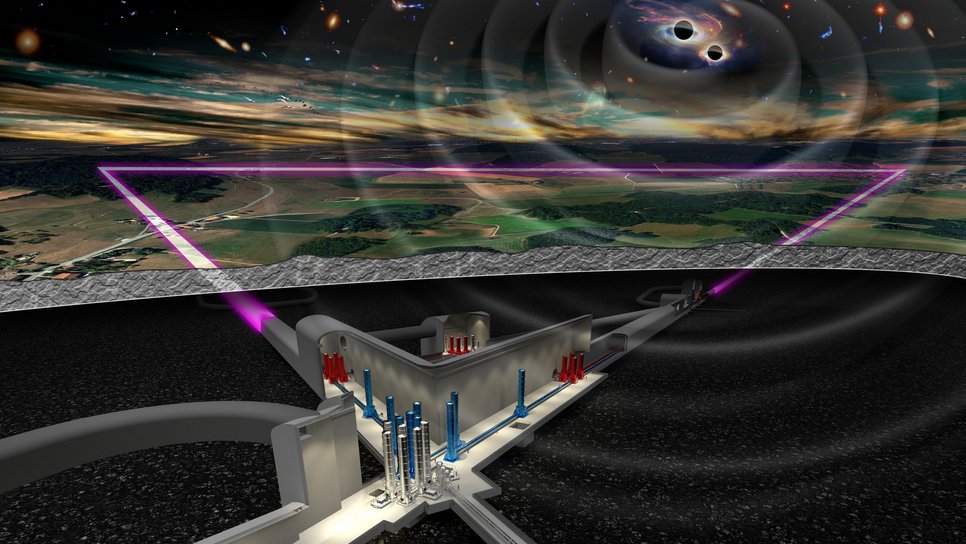
Joint interpretation of electromagnetic, gravitational-wave, and time-domain signals from compact and transient astrophysical systems.
The visual language of the group can combine real research figures, observatory concepts, compact-object art, JWST imagery, and curated scientific graphics to create a strong and recognisable identity.
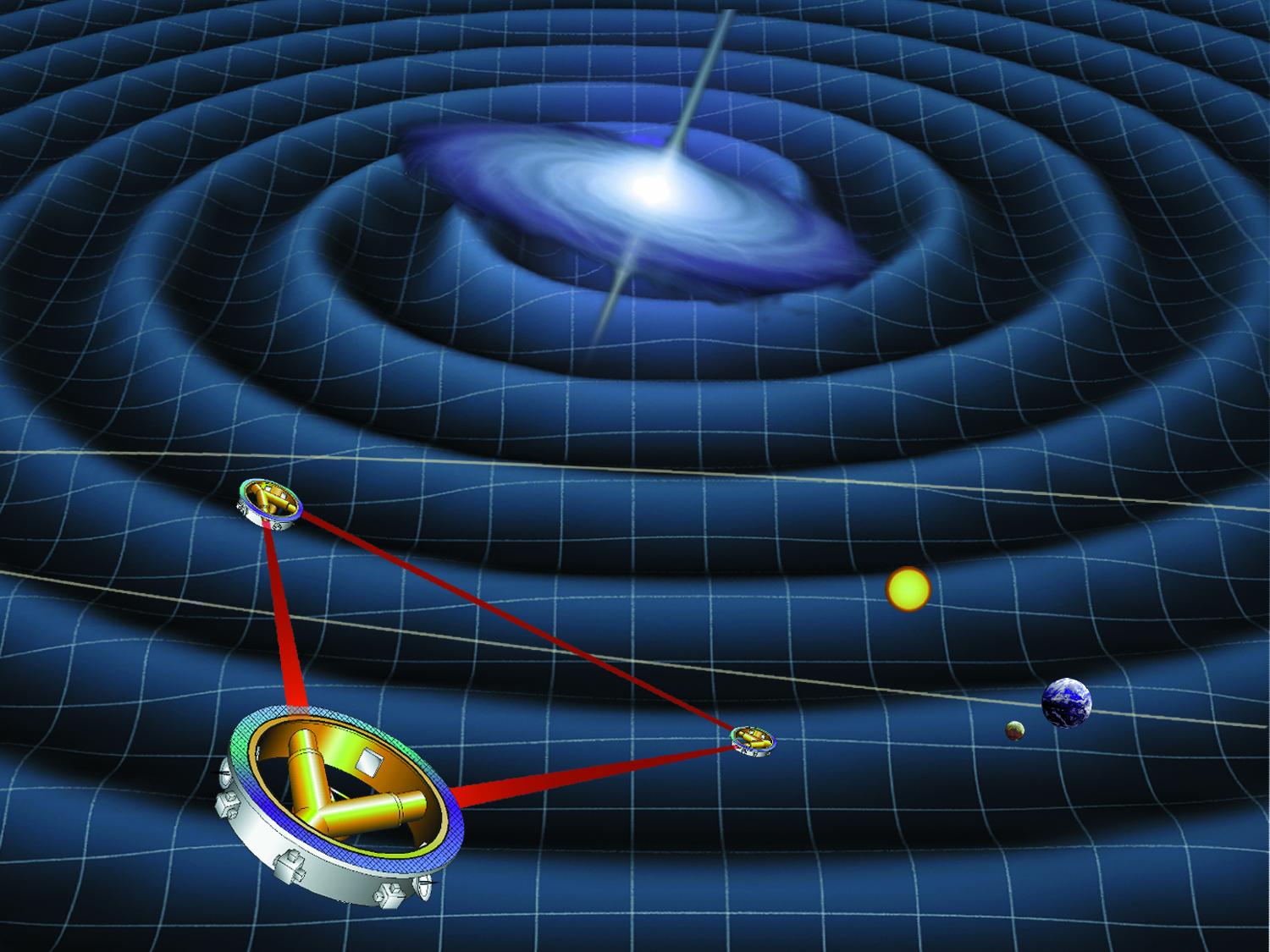
This design can later host publications, datasets, opportunities, seminar announcements, telescope campaigns, code releases, model grids, interactive figures, and bilingual news updates.
The current version is a design-forward bilingual foundation. It can now be populated with the real people, projects, publications, and figures of the group.